Category: Q&A

  • Why Dental Cleanings Alone Won’t Protect Your Oral Health (Dentist Explains)

    Why Dental Cleanings Alone Won’t Protect Your Oral Health (Dentist Explains)

    Most people think of a dental cleaning as a simple part of staying healthy. You book the appointment, sit in the chair for an hour, leave with smoother teeth, and feel good knowing you checked something important off your list.

    For years, that is how many people have viewed dental visits. Just a cleaning.

    But many patients are surprised to learn that some of the most important parts of the appointment may have very little to do with polishing teeth. A visit that starts as a routine cleaning may quickly turn into a conversation about gum health, plaque buildup below the surface, inflammation, or areas that may need closer attention before they become more serious later.

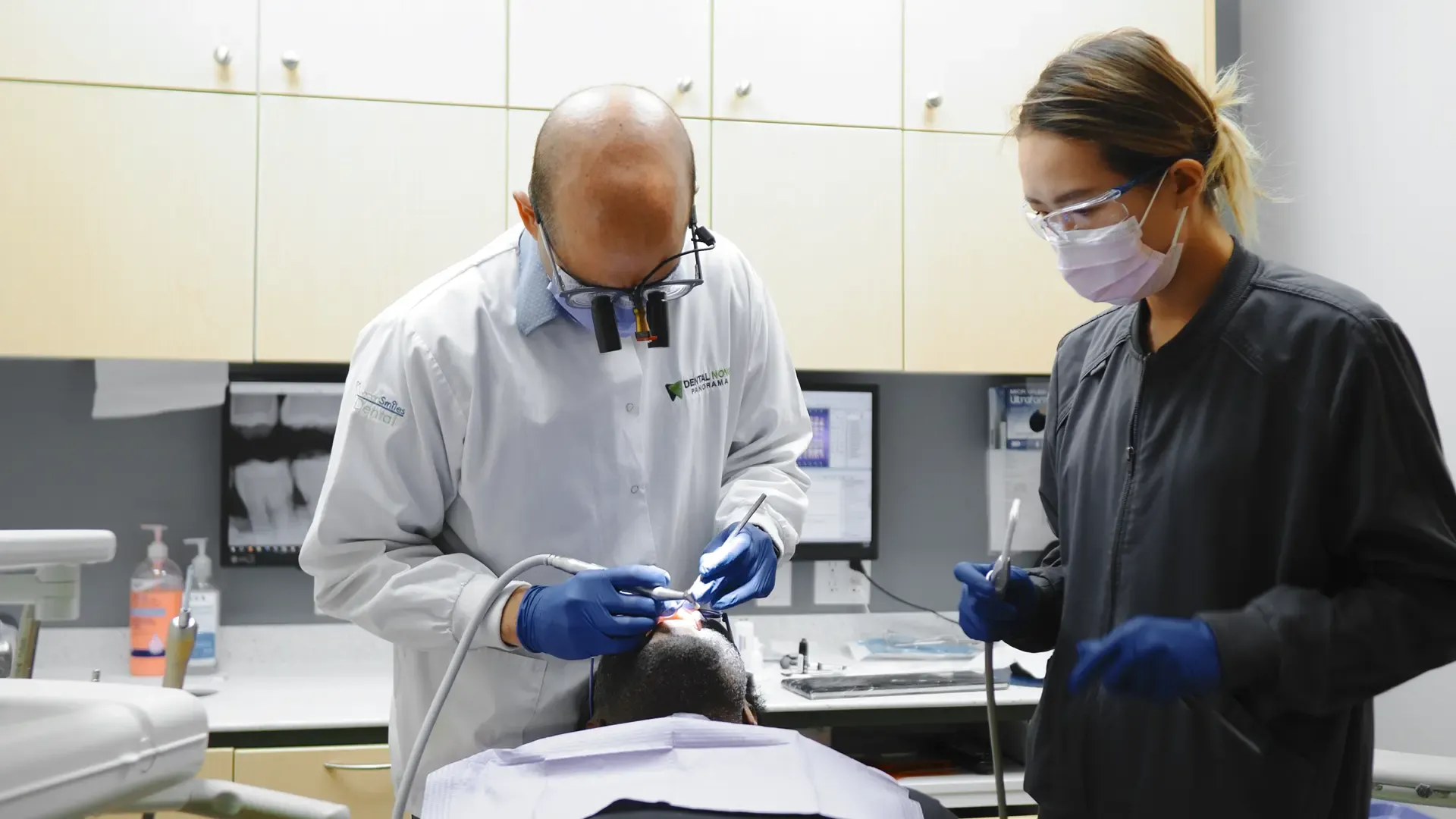
    At Dental Now Panorama, we often see patients arrive feeling that everything is fine because nothing hurts. There may be a little bleeding while flossing once in a while or some sensitivity they have gotten used to ignoring, but overall, their smile seems healthy enough. Then, during the appointment, we begin discussing the parts of oral health that are much harder to notice at home.

    For many people, that moment completely changes how they think about dental care.

    A Clean Smile Does Not Always Mean a Healthy Mouth

    One of the most common dental cleaning myths is the belief that teeth that look clean must also be healthy underneath. In reality, some dental concerns may begin quietly around the gums or below the gumline long before obvious symptoms appear.

    That is part of what makes oral health tricky for many people.

    Daily life gets busy, and routines that once felt consistent slowly become rushed. Brushing may turn into something squeezed between early mornings and long workdays. Flossing becomes something people plan to do later but forget by the end of the night. Small warning signs like mild gum sensitivity or occasional bleeding may not seem urgent enough to pay attention to right away.

    Meanwhile, plaque and tartar may continue building in areas that are difficult to reach at home, especially around crowded teeth, older dental work, or along the gums. Because this process often develops gradually, many patients may not realize something is wrong until the problem becomes harder to ignore.

    Dental Hygiene Therapy Looks Beyond the Surface

    This is one reason many dental professionals now focus on dental hygiene therapy rather than treating appointments as simple cleanings alone. While patients may expect the visit to focus only on making their teeth look cleaner, the appointment often involves a much closer look at the overall health of the mouth.

    During these visits, a dental hygienist may check for signs of gum irritation, plaque buildup beneath the gumline, tartar in hard-to-reach areas, or early changes that could potentially lead to larger concerns over time. The goal is not to alarm patients or search for problems unnecessarily. Instead, the focus is often on identifying smaller issues early while they may still be easier to manage.

    For some patients, this type of preventive care may help reduce the likelihood of needing more intensive treatment later. Since every patient’s oral health needs differ, treatment recommendations and outcomes may vary based on factors such as habits, genetics, medical history, and existing dental conditions.

    Your Oral Health May Connect to More Than Your Teeth

    Over the years, dentistry has also begun to look more closely at how oral health may connect to overall wellness. Research has shown possible links between gum inflammation and broader health concerns such as heart disease, diabetes, and other inflammatory conditions throughout the body.

    This does not mean that every patient with gum irritation will develop more serious health problems. However, it may help explain why preventive dental care has become such an important part of maintaining long-term health for many people.

    For dentists and hygienists, the conversation is often no longer only about cleaner teeth or fresher breath. It is about helping patients maintain healthier gums, monitor changes over time, and better understand what may be happening beneath the surface before discomfort begins affecting daily life.

    That shift has changed the way many patients view routine dental visits. Instead of seeing appointments as something to book only when a problem appears, more people are beginning to see preventive care as part of protecting their overall well-being.

    Why Some Dental Problems Are Caught Too Late

    One of the most common things dentists hear from patients is, “I did not even know anything was wrong.” And in many cases, that may be true.

    Dental concerns do not always begin with severe pain or obvious symptoms. Some issues may develop slowly over months or even years before becoming noticeable enough to disrupt daily life. By the time discomfort appears, the condition may already require more involved treatment than it might have earlier.

    That is why preventive care often matters so much. Not because every patient has serious dental problems waiting to happen, but because regular monitoring may help catch smaller changes before they become larger concerns.

    For many people, maintaining oral health is less about reacting to pain and more about staying consistent before problems have the chance to progress quietly in the background.

    A Healthier Smile Often Starts With Consistent Care

    At Dental Now Panorama, we focus on helping patients understand that oral health may involve more than just a routine dental cleaning.

    Whether someone is booking a teeth cleaning, meeting with one of our dental hygienists, exploring teeth whitening options, or learning more about dental hygiene therapy, our goal is to provide personalized care based on each patient’s individual needs and comfort level.

    For patients trying to better understand common dental cleaning myths and what may truly support long-term oral health, staying consistent with preventive care may be one of the most important steps toward maintaining a healthier smile.

  • Dental Care During Pregnancy: Can Pregnancy Cause Teeth To Shift?

    Dental Care During Pregnancy: Can Pregnancy Cause Teeth To Shift?

    Pregnancy is an exciting time, but it also brings significant changes to the body—including your oral health. Many women wonder whether pregnancy can cause their teeth to shift, and the answer is yes. Hormonal changes, increased clenching and grinding, and altered breathing patterns can all contribute to dental movement. Additionally, pregnancy can increase the risk of cavities, gum disease, and dental pain. Dr. Jagatjit Dhillon from Dental Now Panorama, will discuss why these changes occur and how to manage your dental health during pregnancy.

    Can Pregnancy Cause Teeth to Shift?

    Yes, pregnancy can lead to teeth shifting due to several factors:

    1. Increased Clenching and Grinding

    The body undergoes substantial changes during pregnancy, including weight gain, which can affect the airway. These changes may lead to more clenching and grinding, placing excessive force on the teeth and causing them to shift.

    2. Mouth Breathing Due to Airway Changes

    Pregnancy-related weight gain, particularly around the neck, can influence breathing patterns. Many pregnant women experience an increase in mouth breathing, which affects how the tongue rests against the teeth. Since teeth naturally respond to pressure from surrounding muscles, this shift can influence their positioning over time.

    3. Hormonal Fluctuations

    Hormones play a significant role in pregnancy-related oral health changes. Increased levels of progesterone and estrogen can soften ligaments and bone structures, making teeth more susceptible to movement. Combined with the effects of grinding and clenching, this can lead to noticeable shifts in tooth alignment.

    Other Ways Pregnancy Affects Oral Health

    Beyond shifting teeth, pregnancy can impact oral health in several other ways:

    1. Increased Risk of Cavities

    Pregnant women are more prone to cavities due to dietary changes, cravings for sugary foods, and morning sickness that exposes teeth to stomach acid. Reduced calcium levels can also weaken tooth enamel, making teeth more vulnerable to decay.

    2. Higher Likelihood of Gum Disease (Periodontal Disease)

    Hormonal changes can lead to pregnancy gingivitis, a condition where the gums become swollen, red, and prone to bleeding. If left untreated, it can progress into periodontal disease, leading to gum recession and even tooth loss.

    3. Pregnancy Tumors

    Some women develop pregnancy tumors—benign growths on the gums caused by excess plaque. While these typically disappear after childbirth, they can cause discomfort and may require professional cleaning or removal if severe.

    4. Increased Dental Sensitivity and Pain

    Many pregnant women experience increased tooth sensitivity and discomfort due to changes in blood flow, hormonal fluctuations, and gum inflammation. In some cases, pre-existing dental issues may become more pronounced.

    How to Protect Your Oral Health During Pregnancy

    While pregnancy-related dental issues are common, there are steps you can take to maintain your oral health and prevent discomfort:

    1. Maintain a Strict Oral Hygiene Routine

    • Brush twice daily with fluoride toothpaste.
    • Floss daily to remove food particles and prevent plaque buildup.

    2. Visit Your Dentist Regularly

    Routine dental checkups and cleanings are safe during pregnancy and essential for preventing serious issues like gum disease and cavities. Inform your dentist about your pregnancy so they can tailor treatments accordingly.

    3. Use a Night Guard or Retainer

    To protect against teeth shifting and damage from clenching and grinding, consider using a night guard or retainer. These appliances help keep your teeth in place and reduce stress on your jaw.

    4. Consider Orthodontic Treatment

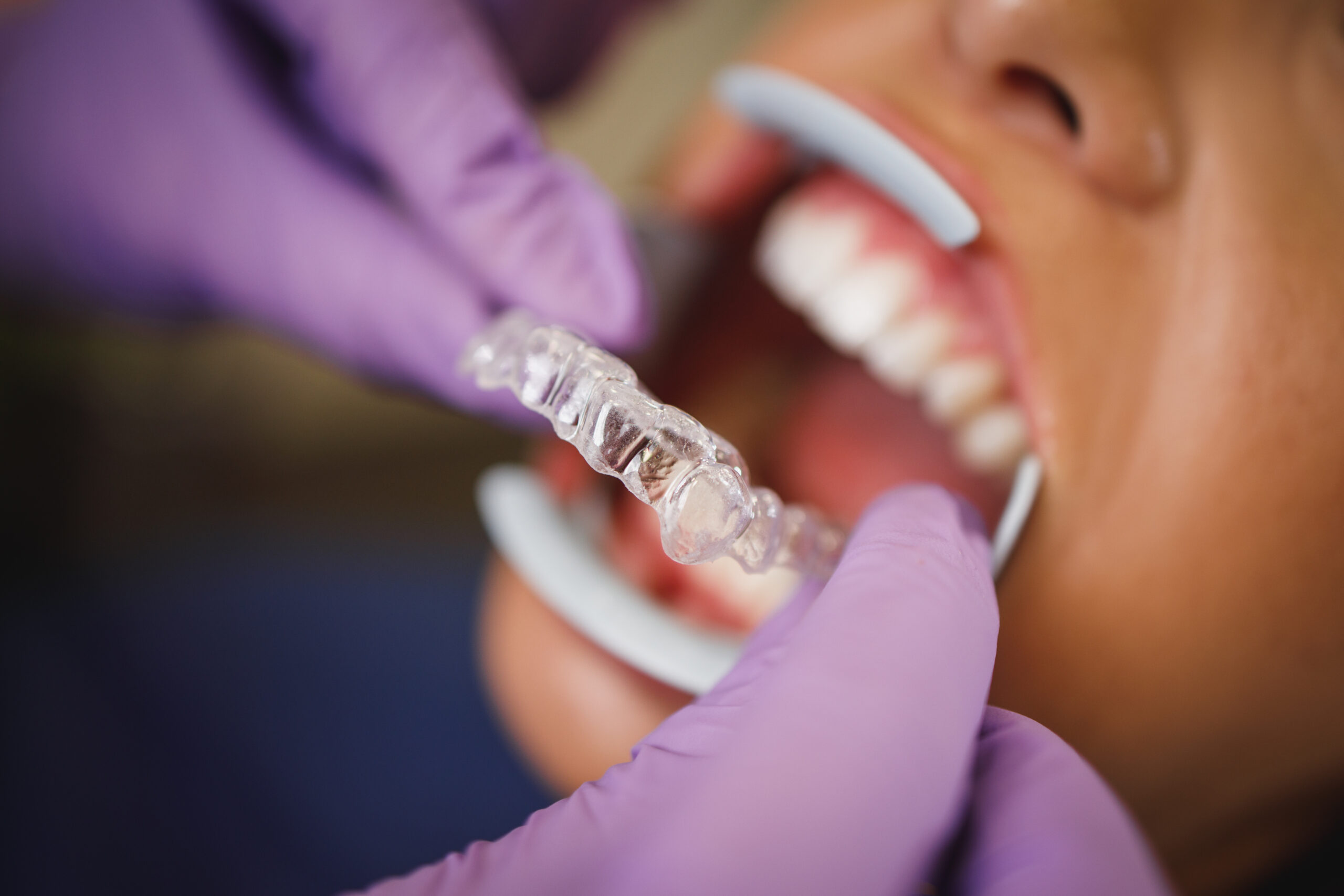
    If you’re concerned about teeth shifting during pregnancy, orthodontic treatments like Invisalign can help. Many pregnant women successfully undergo orthodontic care, though some may need occasional breaks due to nausea or discomfort.

    5. Eat a Balanced Diet

    • Limit sugary foods and drinks to prevent cavities.
    • Consume calcium-rich foods like dairy products, leafy greens, and almonds to strengthen teeth.
    • Stay hydrated to reduce dry mouth and maintain healthy saliva production.

    6. Manage Morning Sickness

    If morning sickness exposes your teeth to stomach acid, rinse your mouth with water or a mixture of baking soda and water before brushing. This helps neutralize acid and protect enamel.

    When to See a Dentist

    If you experience persistent dental pain in pregnancy, swollen gums, or excessive tooth sensitivity, consult a dentist as soon as possible. Delaying treatment can lead to complications that affect both your oral health and overall well-being.

    At Dental Now Panorama, we provide expert dental care tailored to the needs of pregnant women. Whether you need a professional cleaning, a night guard, or an assessment for shifting teeth, our experienced hygienists and dentists are here to help.

    Book an appointment with our team today to ensure your smile stays healthy throughout pregnancy and beyond.

  • Invisalign vs. Braces: Calgary Patients’ Guide to Orthodontics

    Invisalign vs. Braces: Calgary Patients’ Guide to Orthodontics

    Thinking about straightening your teeth but unsure whether to go with Invisalign vs. Braces? At Dental Now Panorama in Calgary, we offer both, and each option comes with its own set of perks.

    Let’s break down the differences to help you choose what’s best for your smile.

    1. Invisalign: Easy to Remove

    2. Invisalign Is More Comfortable

    3. Fewer Emergencies with Invisalign

    4. Less Time in the Chair

    5. Invisalign Is Nearly Invisible

    Is Invisalign Affordable?

    Ready to Get Started?

    1. Invisalign: Easy to Remove

    One of the big wins for Invisalign is that you can take them out. Braces are stuck on your teeth for the whole treatment, but with Invisalign, you can remove the aligners whenever you need to—whether it’s for eating, drinking, or brushing your teeth. No more worrying about what foods to avoid. With Invisalign, as long as you brush your teeth properly, you can still enjoy popcorn, nuts, or even sticky candy—things that would be off-limits with braces.

    Plus, keeping your teeth clean is much easier since you can brush and floss without navigating around metal wires and brackets. This helps keep your gums healthy and reduces the risk of cavities.

    2. Invisalign Is More Comfortable

    Comfort is a big factor when deciding between braces and Invisalign. Braces and brackets can sometimes rub against your cheeks and lips, causing irritation. Invisalign, on the other hand, is made from smooth plastic, so it’s easier on your mouth. You might feel a little pressure when switching to a new set of aligners, but it’s a lot more comfortable than dealing with the metal of traditional braces.

    3. Fewer Emergencies with Invisalign

    Braces can sometimes cause unexpected problems like a broken wire or loose bracket. These issues can be painful and may require an unplanned trip to the orthodontist. With Invisalign, those problems don’t exist. No wires, no brackets—just smooth aligners. This means fewer hassles and fewer orthodontic visits.

    4. Less Time in the Chair

    Braces require regular adjustment appointments every few weeks to make sure your treatment is progressing. These can take time and can be a pain if you’ve got a busy schedule. Invisalign is a bit more low-maintenance. You’ll still have appointments, but they’re usually less frequent. And since the aligners are made in advance, you just stop in to check your progress and pick up the next batch of your Invisalign trays.

    In some cases, Invisalign can even straighten your teeth faster than braces, thanks to advances in technology.

    5. Invisalign Is Nearly Invisible

    If you’re self-conscious about wearing braces, Invisalign is the more discreet option. The aligners are clear, so most people won’t even notice you’re wearing them. Braces, even the less visible ceramic ones, are still pretty noticeable. For adults and teens who don’t want a mouth full of metal, Invisalign is an easy choice.

    Is Invisalign Affordable?

    A lot of people think Invisalign costs more than braces, but that’s not always true. With fewer emergency visits and sometimes faster treatment, Invisalign can end up being just as affordable—or even cheaper—than braces. At Dental Now Panorama, we offer flexible monthly payment plans to help make Invisalign fit your budget.

    Ready to Get Started?

    Now that you know the differences between Invisalign vs. braces, you’re better equipped to decide which is right for you. If you still have questions or need advice, our team at Dental Now Panorama in Calgary is here to help. We’re committed to helping you get the smile you want, with a treatment plan that fits your lifestyle.

    Reach out to us today and let’s start working on that perfect smile!