Welcome to WordPress. This is your first post. Edit or delete it, then start writing!
Blog
-
Not All Dental Cleanings Are the Same: Understanding Active and Maintenance Therapy
You may walk into the dental office expecting one thing. A cleaning. Nothing complicated. Just a chance to freshen up your smile, have your teeth checked, and get on with your day.
Then your dental team takes a closer look at your gums. They may notice inflammation. They may talk about gum disease. And instead of discussing only a regular cleaning, they may mention something called active therapy or maintenance therapy.
That can leave you wondering: Isn’t a cleaning just a cleaning? Not always.
The care your gums may need depends on what is happening right now. Sometimes the goal is to help gums become healthier. Other times, the goal is to help them stay healthy after treatment.
Understanding that difference may make your next dental visit feel much clearer.
Active Therapy: When Your Gums Need Help Getting Healthy
Think about what happens when a problem is already there. If your gums are inflamed or you have been diagnosed with gum disease, simply treating your visit like routine upkeep may not address what your dental team is seeing.
That is where active therapy may come in. Active therapy focuses on treating gum disease and helping your gums move toward a healthier state.
The exact care may look different for each patient. Your dental team may consider the health of your gums, signs of inflammation, buildup around the teeth, and other factors before recommending a treatment plan.
The important difference is the goal. Regular cleaning generally focuses on ongoing care. Active therapy focuses on a gum health concern that may already need attention. It is the stage where the goal is to help get things back on track.
Maintenance Therapy: Protecting the Progress You Have Made
Once your gums become healthier, the job is not necessarily finished. This is where maintenance therapy may begin.
Maintenance therapy is your regular cleaning and checkup, with added attention to keeping your gums stable and watching for signs that gum disease may be progressing again.
The focus has changed. During active therapy, the goal was to address a current gum problem. During maintenance therapy, the goal is to help protect the healthier condition your gums have reached. That may sound like a small difference, but it changes the reason behind your visits.
You are no longer trying to get back to a healthier starting point. You are working with your dental team to help stay there.
Why Your Cleaning Plan May Look Different Now
Many people grow up thinking dental visits follow one simple rule: get your teeth cleaned on the same schedule every year. But your gums do not follow a calendar.
Your dental team may recommend a different visit schedule depending on your current gum health, your history of gum disease, and how your gums respond to treatment.
For some patients, routine preventive visits may be appropriate. For others who have completed active therapy, more frequent maintenance visits may be recommended so their dental team can continue to check their gums and monitor for changes.
That does not mean something has gone wrong. It may simply mean your dental care now has a different goal. And because every patient is different, the right timing for one person may not be the same for someone else.
So, Which Type of Care Do You Need?
Here is the part many patients are relieved to hear: You do not have to figure that out before your appointment.
You do not need to know whether you need active therapy, maintenance therapy, or a routine cleaning when you walk through the door. Your dental team can examine your gums, explain what they are seeing, and help you understand what type of care may be appropriate for you.
If your gums are inflamed or you have gum disease, they may recommend active therapy. Once your gums become healthier and more stable, your care may shift toward maintenance therapy.
It is a step-by-step process. And the goal is not to fill your visit with complicated dental terms. It is to help you understand what your gums may need now and what may help keep them healthier in the future.
Your Gums Deserve a Plan That Fits Them
If you are wondering whether you need a routine dental cleaning in Calgary, teeth cleaning in Calgary, active therapy, or ongoing maintenance, we at Dental Now Panorama can help you understand the difference.
Depending on your gum health, our Dental Clinic may recommend Dental Cleanings Every 3–4 Months or another schedule that better fits your needs.
We can also explain why Dental Cleanings Alone or teeth Cleanings Alone may not always be enough when gum disease is active, what Deep cleaning vs periodontal therapy may mean for your care, and where periodontal maintenance falls in your long-term plan. Every patient is different, so treatment needs may vary. Contact us at Dental Now Panorama today to schedule an appointment and learn what type of care may be right for your gums and your smile.
-
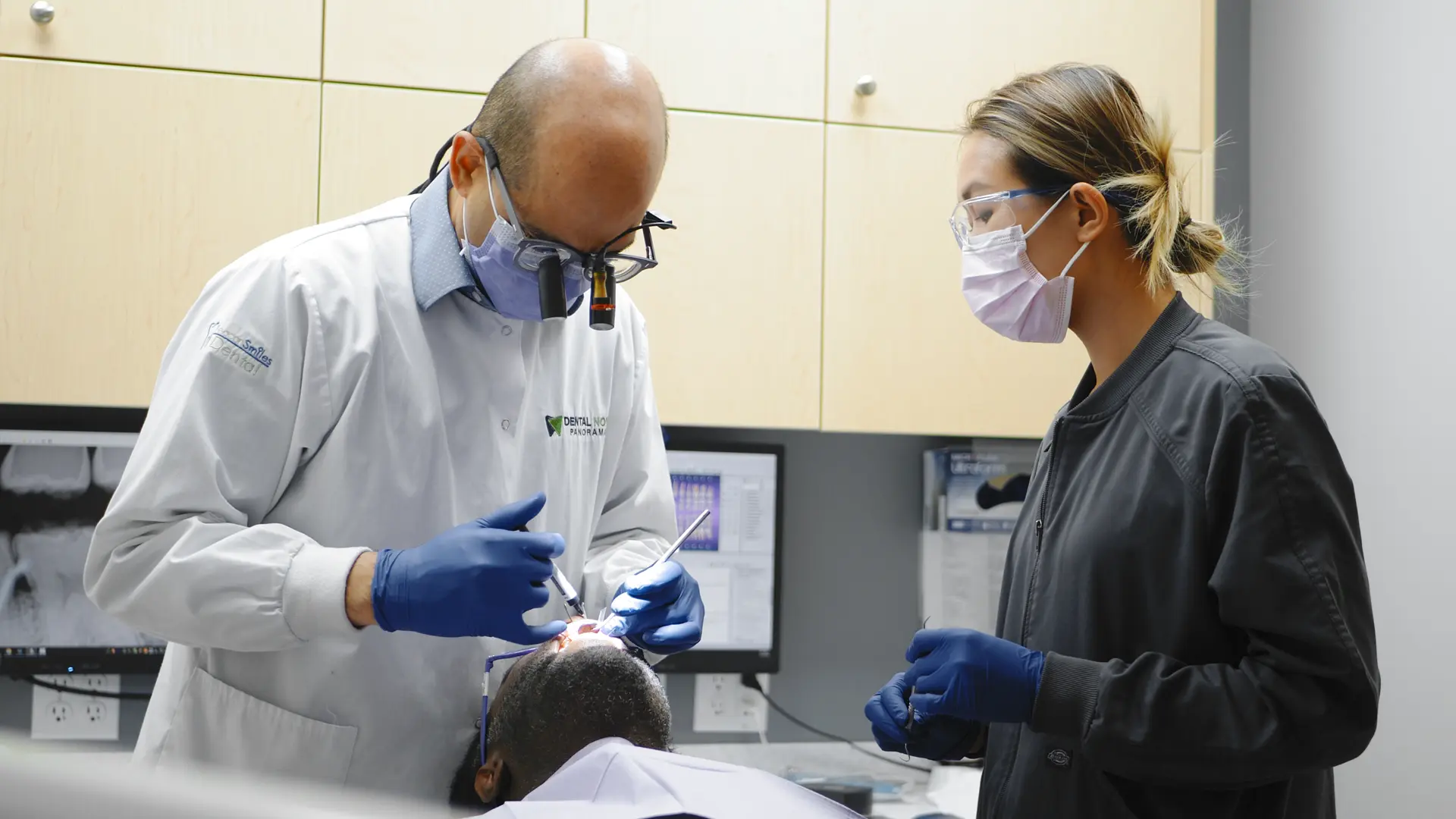
The Surprising Connection Between Your Mouth and Your Overall Health
Most people do not think much about their mouth until something feels wrong.
Maybe your gums bleed a little when you brush. Maybe your breath does not feel as fresh as it used to. Maybe one tooth feels a bit sensitive, but then the feeling goes away, so you forget about it. It happens all the time.
But your mouth may be sharing clues about more than your teeth. Your smile is part of your body, and what happens in your mouth may have the ability to affect your overall health in ways many people do not expect.
That is why regular dental care may matter more than most people realize. It is not only about keeping your smile bright. It may also be one simple way to help support your health and well-being.
The Small Signs Your Mouth May Be Giving You
Your mouth works hard every day.
It helps you eat, drink, speak, smile, and breathe. Because of that, it also comes into contact with bacteria every day. Some bacteria may be normal, but when plaque builds up around the teeth and gums, irritation may begin.
At first, the signs may be easy to miss.
A little bleeding when brushing may not seem like a big deal. Gums that feel tender may be blamed on brushing too hard. Bad breath may be covered with gum or mints. Since there may not be pain, many people assume everything is fine.
But small signs may sometimes indicate something happening beneath the surface.
This is why regular dental visits may be helpful. A dental team may be able to look closely at your teeth and gums, check for changes, and explain what may need more attention before the issue becomes harder to manage.
Why Your Gums May Matter More Than You Think
Here is where the connection becomes more interesting.
Your mouth is not separate from the rest of your body. When the gums are swollen or irritated, that inflammation may be linked to other health concerns. Research has shown that gum disease and inflammation in the mouth may be connected to conditions such as heart disease, diabetes, and even certain cancers.
That does not mean every person with gum issues may develop those health problems. Every patient is different. Health history, habits, age, and other factors may all play a role. Still, the connection may be worth paying attention to.
Your gums may be a small part of your body, but they may tell an important story. When your mouth is healthier, it may help support the bigger picture of your well-being. That is one reason dental care may be about more than avoiding cavities. It may be part of caring for your whole body.
Why a Teeth Cleaning May Do More Than Freshen Your Smile
A fresh, clean smile feels great. After a professional cleaning, your teeth may feel smoother, your breath may feel fresher, and your smile may look brighter. But the real value may go deeper than that.
A dental cleaning may help remove plaque and buildup that brushing and flossing at home may not fully reach. It may also give your dental team a chance to check your gums, look for early signs of concern, and guide you with simple steps that fit your needs.
This is important because many oral health concerns may not hurt at first.
You may feel fine and still have areas that need attention. You may brush every day and still miss spots that are hard to reach. A professional cleaning may help fill the gap between what you do at home and what your mouth needs to stay healthier over time.
That is why dental hygiene therapy may be more than a routine appointment. It may be a smart way to care for your teeth, gums, and overall health before problems become more noticeable.
Why Waiting for Pain May Not Be the Best Plan
Pain has a way of getting our attention.
When something hurts, we usually act fast. But with oral health, waiting for pain may not always be the best plan. Some dental and gum concerns may develop slowly and may not cause discomfort right away.
By the time pain appears, the issue may already need more care.
That is why regular visits may be so valuable. They may help you stay ahead of concerns instead of only reacting when something feels wrong. This does not mean every small sign is serious, but it does mean it may be worth checking.
Think of it like taking care of a car.
You do not wait for the engine to stop working before getting an oil change. You bring it in for regular care so it keeps running well. Your mouth may benefit from the same idea. Regular care may help support a healthier smile and reduce the risk of a bigger concern being caught by surprise later.
Simple Habits That May Support a Healthier Smile
The good news is that caring for your mouth does not have to feel complicated.
Small daily habits may make a difference over time. Brushing, flossing, drinking water, and keeping up with dental visits may all help support your teeth and gums.
At-home care matters, but it does not have to be perfect to be helpful. The goal is to stay consistent and get guidance when you need it. Your dental team may help you understand where plaque is building up, which areas need more attention, and how often you may benefit from professional dental hygiene therapy.
This is not about scaring people into booking an appointment. It is about helping you see your mouth in a new way. Your teeth and gums are part of your body. Taking care of them may be one small step that supports a much bigger picture.
Visit Dental Now Panorama in Calgary
If you are in Calgary and want to better understand your oral health, Dental Now Panorama is here to help.
Our team provides dental cleanings, teeth cleaning, oral hygiene support, oral health care, and guidance on the importance of oral health so patients may better protect their dental health and maintain healthy teeth and gums.
As a family dentist and dental clinic in Calgary, we also help patients understand the effects of poor oral health, support their ongoing oral health, and provide family dentist care that may include orthodontic treatment or orthodontic care when appropriate.
Schedule your visit with Dental Now Panorama today and take a simple step toward a healthier smile.
-
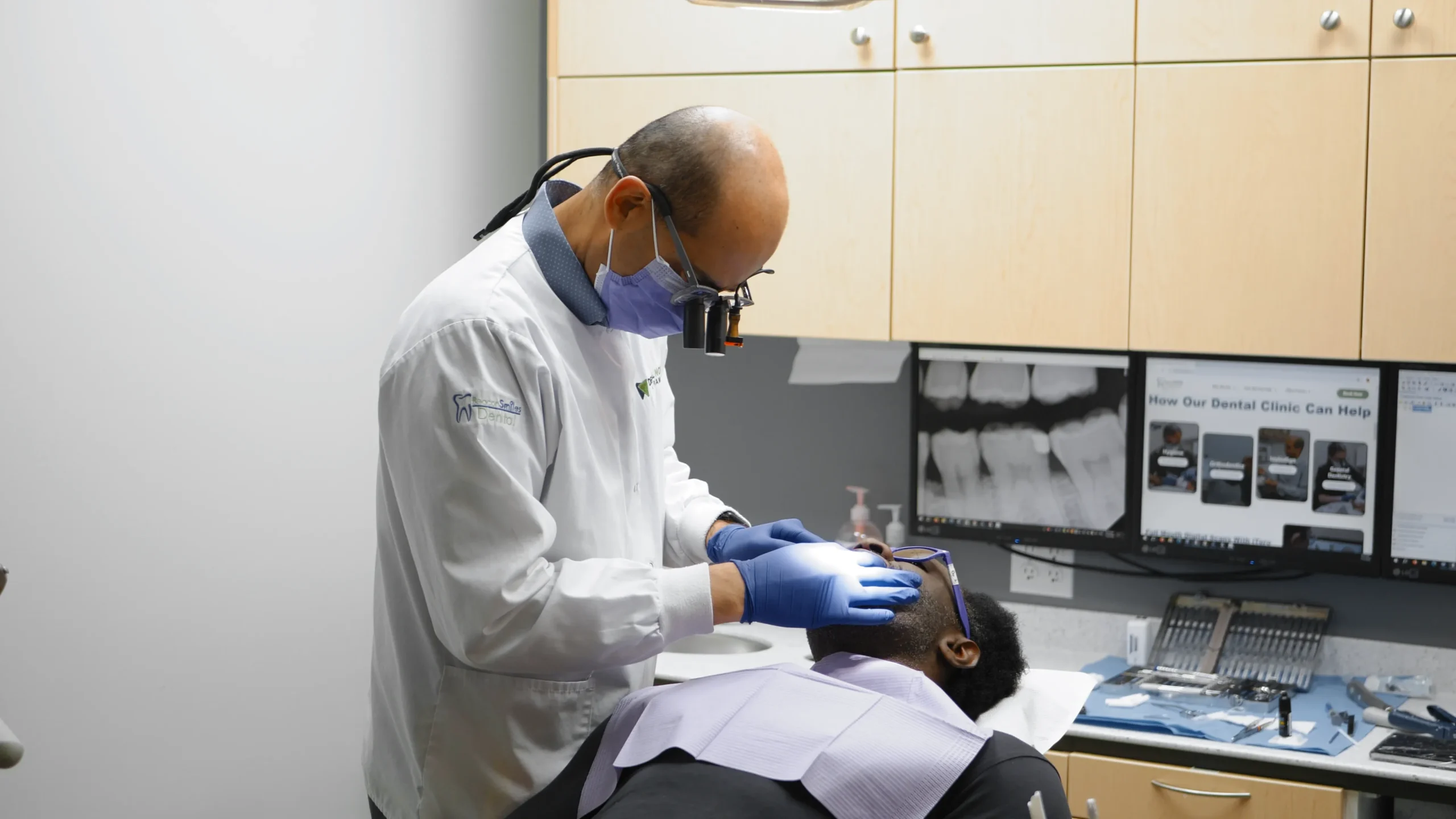
Why Some Patients Need Dental Cleanings Every 3–4 Months
Imagine going in for what you think is a routine dental cleaning and hearing that your next visit should be in just three or four months.
For many patients, that recommendation can feel unexpected. After all, most of us have heard the same advice for years: visit the dentist every six months, and you’re doing everything right. So when a dentist suggests a shorter schedule, it’s natural to wonder why.
The good news is that needing more frequent cleanings does not necessarily mean something is wrong. In many cases, it simply means your gums may need a little extra attention. Just as every smile is different, every patient’s oral health needs may be different as well.
The reason often comes down to one important factor: gum health.
Understanding the Difference Between Active Therapy and Maintenance Care
One of the biggest misconceptions about dental cleanings is that every appointment serves the same purpose. In reality, different types of hygiene treatments may be recommended depending on the condition of your gums.
For patients with healthy gums, routine maintenance visits often focus on keeping the mouth clean and helping prevent future problems. However, if a patient is experiencing gum inflammation or has been diagnosed with gum disease, a different approach may be recommended.
This is where active therapy comes into the picture.
Active therapy is designed to address gum disease by removing bacteria and tartar from below the gum line. Because these areas can be difficult to clean at home, bacteria may accumulate over time, contributing to irritation and inflammation.
Many patients view active therapy as a way to give their gums a fresh start. The goal is often to reduce inflammation, support healing, and create a healthier foundation before moving into long-term maintenance care.
How Gum Disease Can Influence Your Cleaning Schedule
One challenge with gum disease is that it often does not cause obvious symptoms in its early stages. Some patients may experience little to no discomfort, which can make it easy to assume everything is fine.
During a dental examination, however, signs of inflammation, bleeding, or infection may become more apparent. When these concerns are identified, your dental team may recommend active therapy as a first step toward improving gum health.
Unlike a standard cleaning appointment, active therapy may require multiple visits depending on the patient’s needs and the extent of the condition. Every treatment plan is different, which is why recommendations can vary from one patient to another.
Hearing that you may need additional treatment or more frequent visits can sometimes make patients nervous. Some immediately wonder if they have done something wrong or if their oral health is getting worse. In many cases, however, the recommendation is simply part of a preventive approach designed to help restore gum health and reduce the risk of future concerns.
Why Some Patients Return Every 3–4 Months
Once gum health has improved, treatment often shifts to maintenance therapy.
This phase focuses on helping maintain the gums’ health over the long term. While these appointments may look similar to a routine cleaning and checkup, they often focus more on monitoring gum health and helping prevent disease progression.
Many patients assume that once gum disease has been treated, the problem is gone for good. However, gum disease may return if bacteria begin accumulating below the gum line again. That is one reason maintenance therapy is often considered such an important part of long-term care.
For patients with a history of gum disease, waiting six months between visits may not always be ideal. Bacteria and tartar can potentially build up more quickly, increasing the likelihood of inflammation returning.
By scheduling visits every 3 to 4 months, the dental team may be able to monitor changes more closely, remove harmful buildup, and address small concerns before they become larger problems. In many cases, prevention is one of the most effective ways to support both gum and overall oral health.
Why Cleaning Schedules May Vary From Patient to Patient
There is no single cleaning schedule that works for everyone. Some patients may do very well with routine six-month visits, while others may benefit from more frequent appointments based on their oral health history and current needs.
Several factors may influence how often a patient is encouraged to visit the dentist. A history of gum disease, the amount of plaque and tartar buildup, signs of ongoing inflammation, and even individual oral hygiene habits can all play a role in determining the most appropriate schedule.
That does not mean one patient has healthier teeth than another. It simply means that dental care is not one-size-fits-all. The best treatment plan is often tailored to the patient’s unique situation.
Understanding why your dentist recommends a specific schedule can help you feel more confident in your care and better informed about the steps being taken to protect your smile.
Keeping Your Smile Healthy for the Long Term
There is no single cleaning schedule that works for everyone. While some patients may do well with visits every six months, others may benefit from dental cleanings every three to four months to help keep their gums healthy and support their long-term oral health.
The best way to know what is right for you is through a professional evaluation and personalized recommendations.
At Dental Now Panorama, we take a personalized approach to every patient. Whether you are due for a routine teeth cleaning, have questions about your oral hygiene, or are looking for a trusted family dentist in Calgary, our team is here to help.
Schedule an appointment with a dentist today to learn which cleaning schedule may be most appropriate for your smile.
-
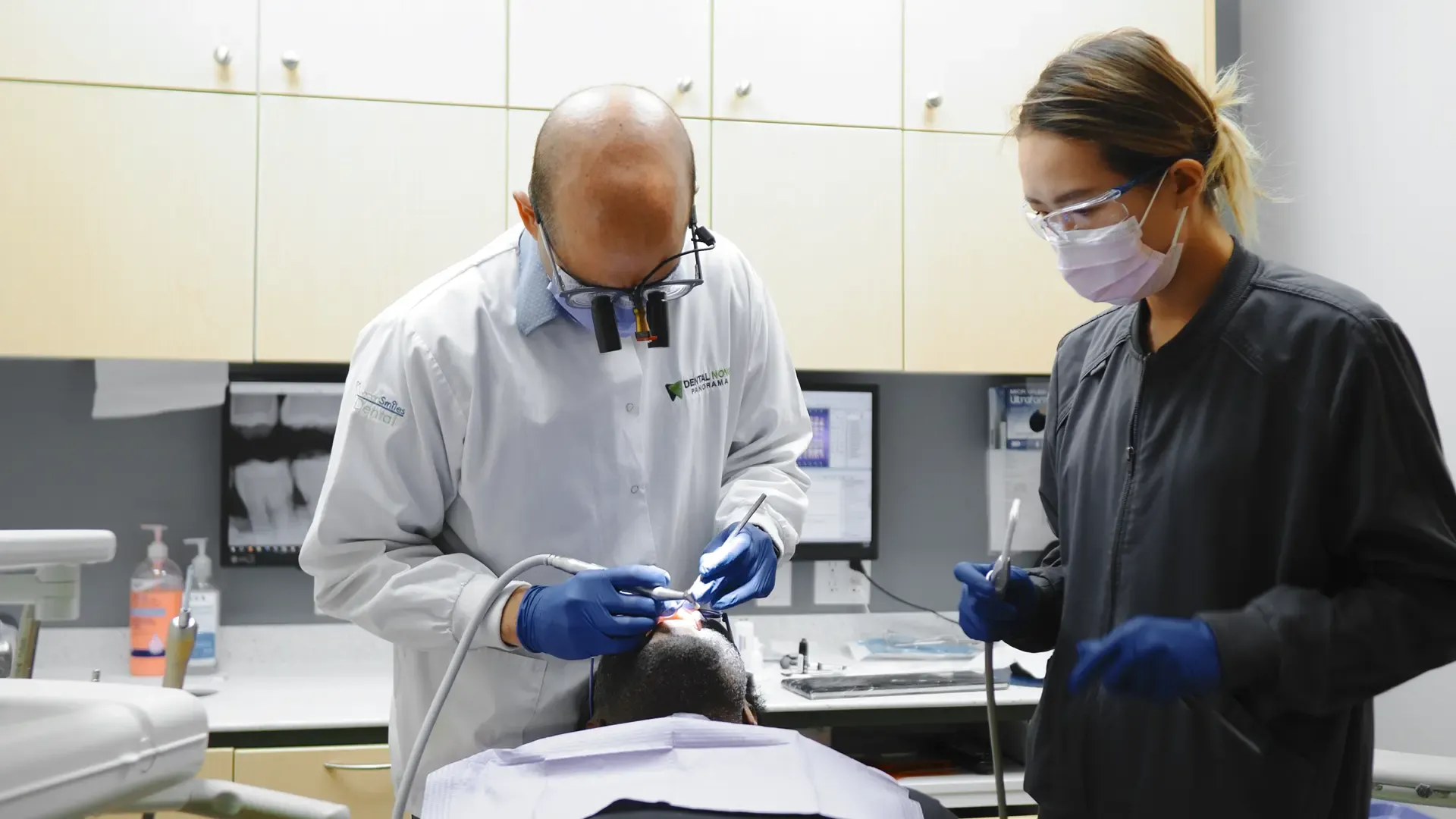
Why Dental Cleanings Alone Won’t Protect Your Oral Health (Dentist Explains)
Most people think of a dental cleaning as a simple part of staying healthy. You book the appointment, sit in the chair for an hour, leave with smoother teeth, and feel good knowing you checked something important off your list.
For years, that is how many people have viewed dental visits. Just a cleaning.
But many patients are surprised to learn that some of the most important parts of the appointment may have very little to do with polishing teeth. A visit that starts as a routine cleaning may quickly turn into a conversation about gum health, plaque buildup below the surface, inflammation, or areas that may need closer attention before they become more serious later.
At Dental Now Panorama, we often see patients arrive feeling that everything is fine because nothing hurts. There may be a little bleeding while flossing once in a while or some sensitivity they have gotten used to ignoring, but overall, their smile seems healthy enough. Then, during the appointment, we begin discussing the parts of oral health that are much harder to notice at home.
For many people, that moment completely changes how they think about dental care.
A Clean Smile Does Not Always Mean a Healthy Mouth
One of the most common dental cleaning myths is the belief that teeth that look clean must also be healthy underneath. In reality, some dental concerns may begin quietly around the gums or below the gumline long before obvious symptoms appear.
That is part of what makes oral health tricky for many people.
Daily life gets busy, and routines that once felt consistent slowly become rushed. Brushing may turn into something squeezed between early mornings and long workdays. Flossing becomes something people plan to do later but forget by the end of the night. Small warning signs like mild gum sensitivity or occasional bleeding may not seem urgent enough to pay attention to right away.
Meanwhile, plaque and tartar may continue building in areas that are difficult to reach at home, especially around crowded teeth, older dental work, or along the gums. Because this process often develops gradually, many patients may not realize something is wrong until the problem becomes harder to ignore.
Dental Hygiene Therapy Looks Beyond the Surface
This is one reason many dental professionals now focus on dental hygiene therapy rather than treating appointments as simple cleanings alone. While patients may expect the visit to focus only on making their teeth look cleaner, the appointment often involves a much closer look at the overall health of the mouth.
During these visits, a dental hygienist may check for signs of gum irritation, plaque buildup beneath the gumline, tartar in hard-to-reach areas, or early changes that could potentially lead to larger concerns over time. The goal is not to alarm patients or search for problems unnecessarily. Instead, the focus is often on identifying smaller issues early while they may still be easier to manage.
For some patients, this type of preventive care may help reduce the likelihood of needing more intensive treatment later. Since every patient’s oral health needs differ, treatment recommendations and outcomes may vary based on factors such as habits, genetics, medical history, and existing dental conditions.
Your Oral Health May Connect to More Than Your Teeth
Over the years, dentistry has also begun to look more closely at how oral health may connect to overall wellness. Research has shown possible links between gum inflammation and broader health concerns such as heart disease, diabetes, and other inflammatory conditions throughout the body.
This does not mean that every patient with gum irritation will develop more serious health problems. However, it may help explain why preventive dental care has become such an important part of maintaining long-term health for many people.
For dentists and hygienists, the conversation is often no longer only about cleaner teeth or fresher breath. It is about helping patients maintain healthier gums, monitor changes over time, and better understand what may be happening beneath the surface before discomfort begins affecting daily life.
That shift has changed the way many patients view routine dental visits. Instead of seeing appointments as something to book only when a problem appears, more people are beginning to see preventive care as part of protecting their overall well-being.
Why Some Dental Problems Are Caught Too Late
One of the most common things dentists hear from patients is, “I did not even know anything was wrong.” And in many cases, that may be true.
Dental concerns do not always begin with severe pain or obvious symptoms. Some issues may develop slowly over months or even years before becoming noticeable enough to disrupt daily life. By the time discomfort appears, the condition may already require more involved treatment than it might have earlier.
That is why preventive care often matters so much. Not because every patient has serious dental problems waiting to happen, but because regular monitoring may help catch smaller changes before they become larger concerns.
For many people, maintaining oral health is less about reacting to pain and more about staying consistent before problems have the chance to progress quietly in the background.
A Healthier Smile Often Starts With Consistent Care
At Dental Now Panorama, we focus on helping patients understand that oral health may involve more than just a routine dental cleaning.
Whether someone is booking a teeth cleaning, meeting with one of our dental hygienists, exploring teeth whitening options, or learning more about dental hygiene therapy, our goal is to provide personalized care based on each patient’s individual needs and comfort level.
For patients trying to better understand common dental cleaning myths and what may truly support long-term oral health, staying consistent with preventive care may be one of the most important steps toward maintaining a healthier smile.
-
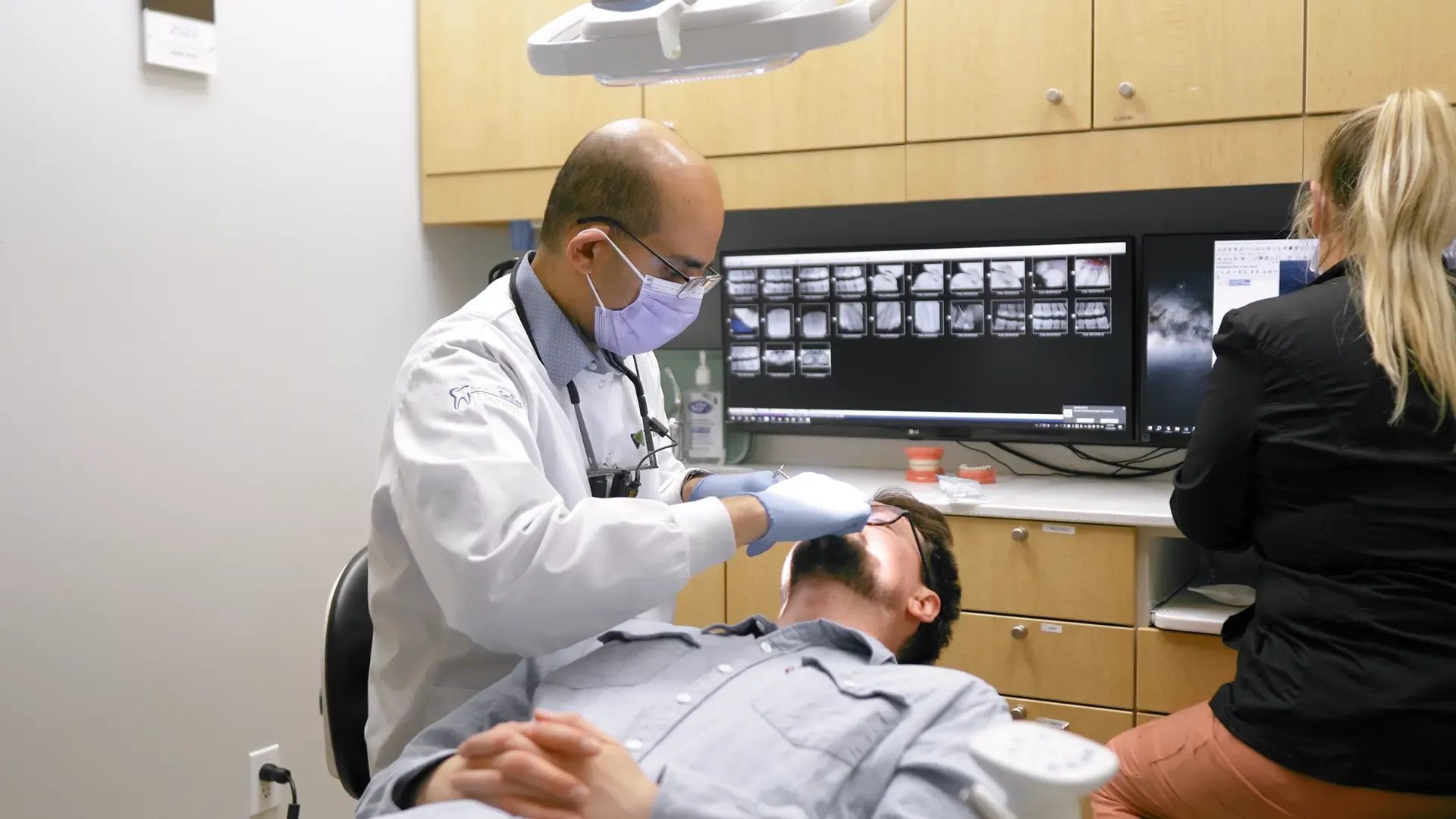
Why Teeth Cleaning Alone Isn’t Enough: A Dentist’s Explanation
There’s a moment that feels familiar to many people in Calgary. You walk into a dental clinic, sit in the chair, and think, “I just need a teeth cleaning.” That’s the goal. A quick visit, a fresh feeling, and you’re set for a while.
And to be fair, that clean feeling does matter. It can make your smile feel brighter and your mouth feel healthier. But here’s where things can quietly go wrong… without you even noticing.
A polished surface may not always reflect the full condition of your teeth and gums. What’s happening underneath, along the gumline, and in harder-to-reach areas, may follow a different path if it isn’t closely monitored.
Surface Clean vs. Long-Term Oral Health
A teeth cleaning focuses on removing plaque, tartar, and surface buildup. This step plays an important role in maintaining oral hygiene and supporting a healthy smile. However, oral health involves more than what can be seen or felt immediately after a visit.
Changes in gum condition, early inflammation, or buildup in deeper areas may develop gradually. These changes may not always be noticeable in daily routines, which is why they can go unnoticed at first.
Because of this, relying only on the feeling of clean teeth may not always provide a complete picture of your oral health. Teeth cleaning plays an important role, but understanding this difference helps explain why it is one part of care, not the entire picture.
Common Dental Cleaning Myths That May Be Misleading
Some beliefs about dental care feel familiar, but they may not always reflect how oral health works over time.
Some of the most common dental cleaning myths include:
- A teeth cleaning removes everything harmful
- If nothing hurts, everything is fine
- Visiting twice a year is enough for everyone
- Clean teeth always mean healthy gums
While these ideas are widely shared, oral health can vary from person to person. Relying on these assumptions alone may lead to gaps in understanding what your teeth and gums actually need.
What Your Dental Team Is Evaluating During Your Visit
During your visit, your dental team may be paying attention to more than just visible plaque or stains.
In many cases, dental professionals may assess gum health, monitor early signs of inflammation, and evaluate areas where bacteria and buildup may return more quickly. They may also observe changes in the spaces between teeth and below the gumline, areas that are not always visible or easy to feel.
These details may seem small, but over time, they can influence the overall condition of your teeth and gums. When identified early, they may be easier to manage and monitor as part of your ongoing care.
A More Complete Approach to Dental Hygiene
At Dental Now Panorama, the focus may go beyond what many people expect from a standard teeth cleaning.
Dental hygiene therapy focuses on maintaining the health of both teeth and gums through ongoing observation and care. Instead of approaching each visit as a single procedure, this method supports a more continuous understanding of oral health.
This type of care may include monitoring gum conditions, removing buildup from deeper areas, and identifying patterns that could lead to future concerns. It also allows your dental team to provide guidance that is tailored to your specific needs.
In this way, dental hygiene therapy has the potential to support prevention, not just maintenance.
Why Ongoing Monitoring May Change the Way You Experience Dental Care
One of the less obvious parts of dental care is how much information is gathered over time.
Each visit builds on the last. Your dental team may compare changes in your gums, track areas that require more attention, and observe how your oral health responds to previous care. This ongoing record allows for more informed decisions rather than relying on a single snapshot of your teeth at a single moment.
Without this type of monitoring, small changes may be harder to recognize early. With it, patterns may become clearer, and care can be adjusted to reflect your current condition.
For patients, this often changes how dental visits feel. Instead of being a routine task, each appointment becomes part of a larger plan focused on maintaining stability and supporting long-term oral health.
Supporting Your Smile With the Right Care
If you’ve always thought a dental cleaning or teeth cleaning was all your smile needed, you’re not alone. Many people assume that a clean feeling means everything is fine, but some of these ideas are part of common dental cleaning myths.
At Dental Now Panorama in Calgary, we take a more complete approach to your oral health. Our dental hygienists focus on more than just surface-level results. We closely monitor how your teeth and gums respond over time and provide care that reflects your individual needs.
Whether you’re maintaining your routine care or considering options like teeth whitening, our goal is to help you better understand your oral health and support it with the right plan.
If it’s been some time since your last visit, this may be a good time to reconnect with your care.
Schedule your appointment today and take a step toward a healthier, stronger smile.
-

How Early Orthodontic Treatment Supports Better Oral Development
When your child’s adult teeth start coming in, it is easy to feel two things at once: excitement and concern. One day, you notice a tooth coming in a little crooked. Another day, the front teeth seem to stick out more than you expected. Sometimes the bite just does not seem quite right.
Many parents in Calgary find themselves wondering if everything is growing in the way it should, or if it is just part of the process. Could it sort itself out on its own? Sometimes it may. But sometimes, early attention may help guide that growth in a healthier direction.
That is why early orthodontic treatment matters. It is not always about starting treatment right away. In many cases, it is about spotting small concerns early, learning what they may mean, and giving your child’s smile the chance to grow on a stronger foundation.
Why Early Orthodontic Treatment May Matter
A child’s mouth is still developing. That means the teeth, jaws, and bite may still be guided as growth occurs. When orthodontic concerns are noticed early, treatment may help create space for incoming adult teeth, support jaw development, and make future orthodontic care easier to manage.
For parents, there is comfort in that. Instead of waiting and wondering, an early evaluation may offer answers. It may show whether things are developing well, or whether there is an opportunity to support better oral development before small concerns become bigger orthodontic problems.
In other words, early treatment is often less about rushing and more about planning wisely.
Creating Space for Incoming Adult Teeth
One of the most common early concerns is crowding. As adult teeth begin to come in, there may not always be enough room for them. When that happens, teeth may overlap, twist, or come in behind each other.
Crowding often does not begin with one big sign. It may start with one tooth that looks out of place or a smile that seems tighter than before. At first, it may not feel urgent. But over time, limited space may affect how other adult teeth come in as well.
Early orthodontic intervention may help develop space for those incoming teeth while your child is still growing, which may support a smile that is easier to guide now and potentially simpler to treat later in the teen years.
Crowded teeth may also make brushing and flossing harder. Food and plaque may collect in hard-to-clean areas, especially for children who are still learning strong oral hygiene habits.
When teeth have more room, daily cleaning may become easier. That may help improve oral health and reduce the risk of future dental problems in hard-to-reach areas.
Supporting Jaw Growth During Key Development Years
Early orthodontic care is not only about straight teeth. It may also help support the development of the upper and lower jaws while a child is still growing.
As children grow, their jaws change along with the rest of their faces. If the upper or lower jaw is not developing in a balanced way, that may affect the bite, spacing, and overall oral development.
Early treatment may help guide jaw growth in a better direction and support facial development during an important stage. Since every child grows differently, results may vary, but this period of growth may offer a valuable chance to intervene early.
How Early Treatment May Support Speech, Chewing, Breathing, and Sleep
For many parents, this is the part that comes as a surprise. Early orthodontic treatment may support more than the look of a smile. It may also play a role in how a child speaks, chews, breathes, and sleeps.
These everyday functions are closely connected to how the teeth and jaws work together. When growth is well-guided, it may help support better functioning in ways families notice both at the dinner table and throughout the day.
That is why early orthodontics is often about more than appearance alone. It may help support how the mouth works, not just how it looks.
Protecting Flared Front Teeth From Injury
Some children have upper front teeth that flare outward more than usual. While this may seem like a small cosmetic detail, it may also make those teeth more exposed.
Kids are active. They run, jump, play sports, and fall. When the front teeth stick out farther, they may be more likely to get bumped during everyday activities. Correcting the position of flared upper front teeth may potentially reduce the risk of trauma.
For some parents, that added protection is a major reason to look into orthodontic care sooner rather than later.
Building a Stronger Foundation for the Teen Years
Many people think orthodontic treatment begins only after all the adult teeth have come in. But for some children, early care may help create a better base for the future.
By creating space, guiding jaw growth, and addressing certain bite concerns earlier, treatment may simplify teenage orthodontics later. That does not mean every child will need less treatment in the future, because patient outcomes vary.
Still, early orthodontic treatment may help create a stronger foundation, making later care more straightforward. That kind of planning may make a real difference over time.
Why Confidence Matters Too
There is another part of this conversation that matters, too: confidence.
Children notice their smiles. They notice when their teeth look different. They may become more aware of it at school, in photos, or when they laugh with friends. While every child responds in their own way, the appearance of the teeth may affect self-esteem during important growing years.
Straight teeth are not only about looks. For some children, early orthodontic care may also support comfort, confidence, and the freedom to smile without feeling self-conscious.
Signs It May Be Time for an Orthodontic Evaluation
Parents often ask when they should have their child’s smile checked. In many cases, the answer is simple when something does not seem quite right.
You may notice crowded incoming teeth, upper front teeth that stick out, or an uneven bite. You may also have questions about jaw growth or whether your child’s smile is developing as expected. Even if the concern seems small, it may still be worth discussing with a dental professional.
An early evaluation does not always mean treatment starts right away. Sometimes it simply offers clarity. It may help you understand what is happening now, what to watch for next, and what kind of support may be helpful as your child grows.
Looking for Early Orthodontic Care in Calgary?
If you are in Calgary and wondering whether your child may benefit from Orthodontic Treatment, Dental Now Panorama is here to help. Our team takes a thoughtful approach to orthodontics, carefully evaluating each child’s smile, bite, jaw growth, and potential orthodontic problems before recommending the next step.
Whether you are exploring Early orthodontic intervention for crowding and oral development, or you want to learn more about orthodontic care options such as braces, Invisalign, or Mayobrace, speaking with a trusted family dentist may help bring clarity.
Book a free consultation with Dental Now Panorama today and learn how early support may help your child build a healthier, more confident smile.
-

First Dental Visit Guide: When and Why Your Child Should See a Dentist Early
For many parents, booking a child’s first dental visit feels optional at first. There are a lot of “firsts” to manage, and teeth don’t always feel urgent, especially if nothing looks wrong. If your child is eating well and doesn’t seem bothered, it’s easy to assume dental care can wait.
In reality, early dentist appointments are less about solving problems and more about preventing them. They’re also about helping children feel comfortable in a dental clinic before they ever need treatment.
Why the first visit is more about learning than examining
A child’s first dental visit is very different from an adult appointment. There’s no expectation that everything will be examined perfectly or that your child will sit still for long periods. In pediatric dentistry, the focus is on familiarity and trust.
Sometimes the visit involves a quick look at the teeth and gums. Other times it’s mostly about letting your child meet the dentist, sit in the chair, and see the tools in a relaxed way. Parents usually spend as much time talking as the child spends being examined.
This early exposure helps children learn that the dental clinic is a safe, calm place. That foundation can shape how they feel about dentist appointments for years to come.
When most children are ready to start
Many dental professionals suggest that children visit a dentist within six months of their first tooth appearing, or around their first birthday. That guideline doesn’t mean every child must have a full exam at that age. It simply creates an opportunity to start the relationship early.
Some children are comfortable right away. Others need a few short visits to warm up. Both approaches are completely normal. What matters is starting before there’s pain or an urgent issue driving the visit.
At Dental Now, we adjust the pace based on the child, not a checklist.
How early visits support oral health over time
Early dental visits allow a family dentist to watch how teeth are coming in and how the jaw is developing. This doesn’t mean orthodontics or treatment will be needed early, but it helps create a clear baseline.
Things like spacing, bite patterns, and habits such as thumb sucking or mouth breathing can be monitored gradually. When questions come up later, having that history makes decision making easier and more informed.
Early guidance can also help parents build strong routines around brushing, flossing, and nutrition, which are essential for long term oral health for children.
Reducing anxiety before it starts
Dental anxiety often comes from the unknown. When a child’s first experience happens during pain or discomfort, fear can develop quickly. Early visits reduce that risk by keeping appointments low pressure and predictable.
Children who grow up visiting a family dentist regularly often show less anxiety as they get older. The environment feels familiar, and dentist appointments become just another part of routine care.
This is especially helpful as children move into school age years, when dental needs and schedules become more complex.
Pediatric dentistry looks at the whole picture
Pediatric dentistry isn’t only about teeth. It considers how oral health fits into a child’s growth, habits, and daily life. Chewing patterns, breathing habits, and speech development can all intersect with dental health.
Parents often bring concerns that turn out to be completely normal. Having a pediatric dentist or experienced family dentist explain what’s typical at different stages can be a huge relief.
It also gives families a trusted place to ask questions as new dental milestones appear.
There is no perfect timeline, just a starting point
Every child develops differently. Some children are ready for early visits, while others need more time to feel comfortable. What matters most is staying proactive instead of reactive.
Starting early allows dental care to grow alongside your child, at a pace that feels manageable. It helps prevent rushing decisions later and makes oral health part of everyday care instead of a last-minute concern.
Building healthy habits with the right support
Your child’s first dental visit is not about perfection. It’s about starting a relationship with a dental clinic that understands kids and supports parents along the way.
With consistent care, children learn that oral health is part of overall health, not something to fear or avoid.
Ready to take the first step?
If you’re considering your child’s first dental visit and aren’t sure when to begin, a conversation is the best place to start.
At Dental Now in Calgary, our team focuses on making early dentist appointments feel calm, supportive, and age appropriate. Whether your child is ready for a full visit or just an introduction, we’re here to guide you through pediatric dentistry with care and flexibility.
Starting now can make a meaningful difference later, for both comfort and long term oral health.
-

When Should Your Child Visit the Dentist? Expert Timeline for Parents
For many parents, dental care does not feel urgent in the early years. Baby teeth are small, they fall out anyway, and children often seem perfectly comfortable. It is easy to assume the dentist can wait. In reality, those first few years quietly shape how a child feels about oral care for the rest of their life.
The timing of your child’s first dental visit is less about fixing problems and more about setting the tone. A calm start builds confidence, trust, and healthy habits that last far beyond childhood.
The First Visit Happens Earlier Than Most Parents Expect
Most dental professionals recommend that children visit the dentist within six months of their first tooth coming in, or around their first birthday. That may sound early, especially when there are only one or two tiny teeth. But that early appointment is simple and low pressure.
There is usually no treatment involved. Instead, parents get clear guidance on brushing, feeding habits, and what changes to expect next. Children get to experience the dental clinic as a safe and friendly place before anything ever feels uncomfortable.
Starting early helps prevent tooth decay, even in baby teeth, and removes the fear that can develop when a first visit happens only after pain appears.
Why Early Dental Care Matters More Than You Think
Baby teeth do more than help children chew. They guide speech development, support facial growth, and hold space for adult teeth. When cavities or infections go untreated, they can affect more than just the tooth itself.
Pediatric dentistry focuses on prevention. Early visits allow your family dentist to watch how teeth and gums are developing, catch small issues early, and help parents make informed choices at home. Things like nighttime bottles, frequent snacking, or thumb sucking are easier to manage when addressed early and gently.
Just as important, children learn that dental visits are normal. That sense of familiarity reduces anxiety and makes future appointments much easier.
How Often Should Children Visit the Dentist
After the first appointment, most children benefit from seeing the dentist about every 6 months to a year depending on your child’s needs, as recommended by their dentist. These regular visits help track changes as teeth erupt, shift, and fall out.
Routine checkups support healthy habits, keep plaque from building up in hard to reach areas, and give parents ongoing reassurance that everything is progressing as it should. Long gaps between visits often lead to more stress, especially if a child starts associating the dentist only with problems.
Consistency creates comfort, both for children and parents.
When to Start Watching for Orthodontic Changes
Orthodontics often comes up later, but early monitoring begins sooner than many families realize. Jaw growth, spacing, and bite patterns can all be observed during childhood, even if braces are not needed for years.
A dentist can identify early signs of crowding or habits that may affect alignment over time. When guidance starts early, future treatment is often simpler and more comfortable.
This approach is about awareness, not rushing into treatment.
Making Dental Visits Feel Positive for Kids
Children take emotional cues from their environment. A welcoming dental clinic that understands how to communicate with kids makes a big difference. Gentle explanations, patience, and a calm atmosphere help children feel respected rather than rushed.
When kids feel safe, they participate more willingly. Parents also feel more relaxed when visits feel supportive rather than stressful.
Supporting Calgary Families Through Every Stage
Life in Calgary brings busy schedules, changing seasons, and real family routines. A local family dentist understands these realities and offers care that fits everyday life, not just textbook advice.
From the first tooth through school years and beyond, having one consistent dental home creates stability. Children grow up knowing what to expect, and parents know who to turn to with questions.
Starting Your Child’s Dental Journey
Finding the right dental home makes a real difference as your family grows. If you are looking for a family dental clinic in Calgary that offers pediatric dentistry, early orthodontic monitoring, cosmetic dentistry, and complete orthodontics services in one welcoming space, choosing a single dental home like Dental Now Panorama can simplify care and create continuity at every stage of life.
When children and parents all feel comfortable in the same clinic, dental visits become part of a healthy routine rather than something to delay. A familiar team, consistent guidance, and care that adapts as your child grows help support confident smiles now and in the years ahead
-
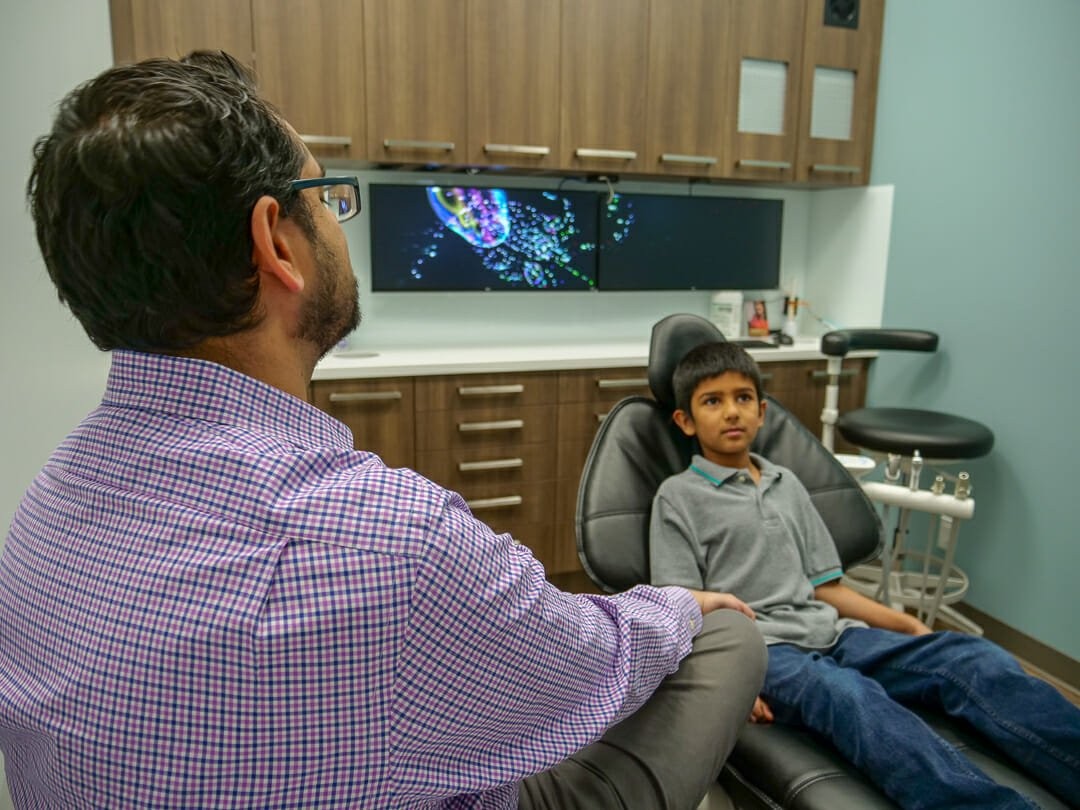
When Should Kids First Go to the Dentist? A Parent’s Guide
A child’s smile is always growing and changing, which means dental care should start earlier than many families realize. Most parents wait until their child already has a few teeth before scheduling that first visit, but early checkups play a crucial role in preventing cavities, guiding healthy development, and helping kids feel comfortable in the dental office.
At Dental Now Panorama here in Calgary, we believe dental appointments should feel positive and encouraging from the very beginning. When kids build strong habits early, their future dental health becomes so much easier to maintain.
Why Early Dental Visits Matter
The Canadian Dental Association recommends that children see a dentist within six months of the first tooth emerging or by their first birthday. That first visit is often quick and gentle. It gives parents a chance to learn how to protect those tiny teeth and gives kids the chance to feel safe and supported in a dental environment.
- Early visits allow a family dentist to:
- Check how teeth and gums are developing
- Look for early signs of tooth decay
- Review brushing and nutrition habits
- Answer questions about teething and dental milestones
Pediatric dentistry is all about prevention. When you start early, small issues are caught early too.
How Often Should Children Have Dental Checkups
Just like adults, children benefit from routine visits every six months. These visits make it easy to track changes as your child grows and ensure healthy habits stay on track.
- Regular appointments help prevent:
- Cavities from sugary snacks or bottles
- Plaque buildup in hard to reach places
- Dental anxiety that grows with long delays between visits
- Speech challenges linked to oral development
Kids grow fast. Their teeth move, fall out, and erupt quickly, so steady monitoring is key to a happy, healthy smile.
Dentistry and Early Orthodontics
Parents often wonder when orthodontics in Calgary should enter the conversation. While braces are usually associated with preteens, many alignment and spacing issues begin in early childhood.
A dental team can:
- Spot crowding before it causes discomfort
- Monitor jaw growth
- Identify habits like thumb sucking that impact tooth position
If needed, an orthodontic evaluation can happen while kids are still young. When guidance begins early, the process is often easier, shorter, and more comfortable later on.
Comfortable Care for Calgary Families
We know that going to the dentist can feel intimidating for little ones. That is why our approach at Dental Now Panorama focuses on building trust. Calm, anxiety free visits support long term confidence and ease.
From fun communication styles to a comforting environment, we make sure every visit feels friendly and stress free for both child and parent.
A child’s first dental visit should feel like an exciting milestone. It is the beginning of lifelong habits that protect their smile every day.
Discover the power of a radiant smile at Dental Now Panorama. Our Calgary dental clinic is dedicated to providing you and your family with an anxiety free dental experience designed to enhance your overall well being.
if your child has not yet been to the dentist, now is the perfect time to get started. We look forward to welcoming your family and helping your little one smile brighter with every visit.