Blog

  • Invisalign vs. Braces: Calgary Patients’ Guide to Orthodontics

    Invisalign vs. Braces: Calgary Patients’ Guide to Orthodontics

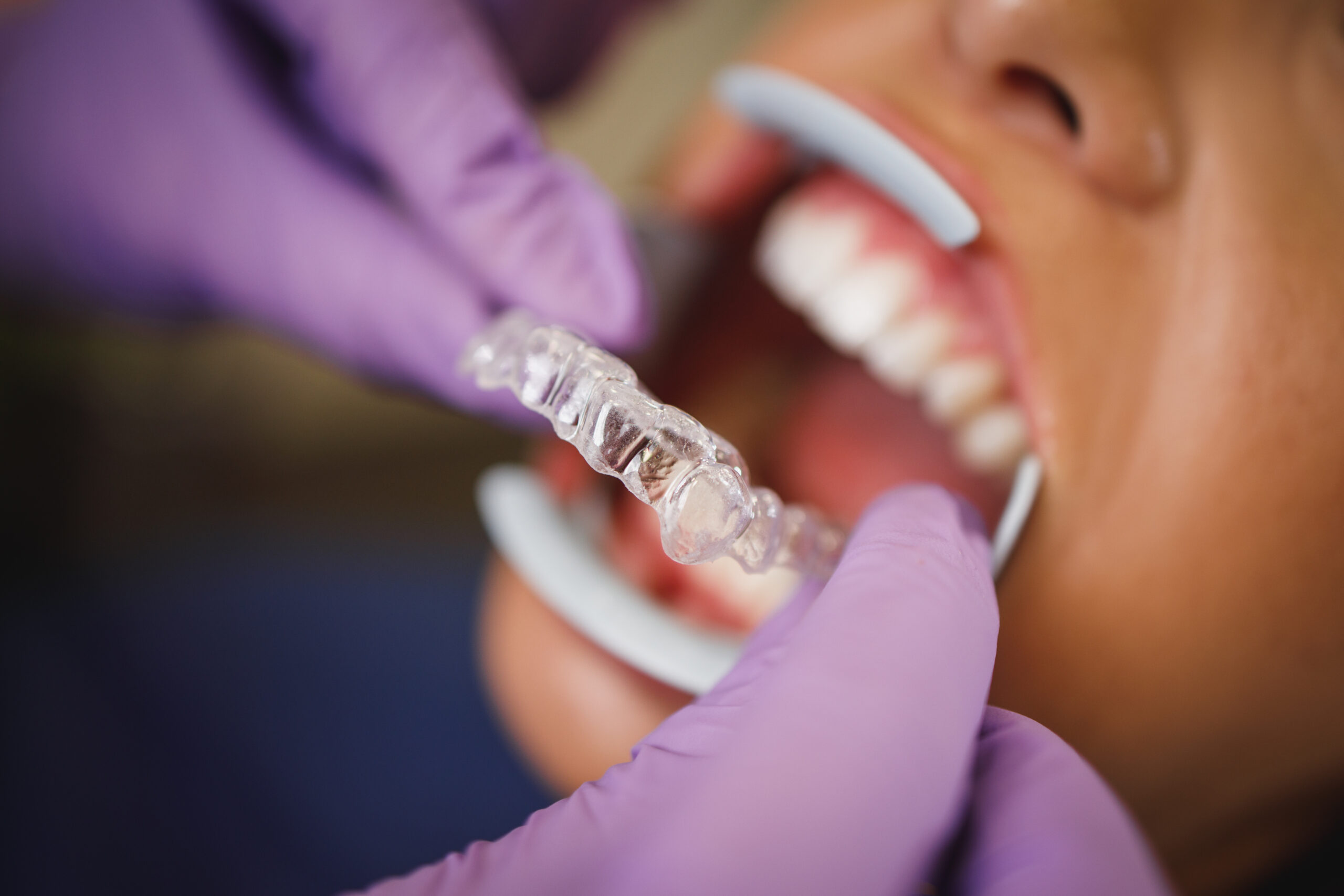
    Thinking about straightening your teeth but unsure whether to go with Invisalign vs. Braces? At Dental Now Panorama in Calgary, we offer both, and each option comes with its own set of perks.

    Let’s break down the differences to help you choose what’s best for your smile.

    1. Invisalign: Easy to Remove

    2. Invisalign Is More Comfortable

    3. Fewer Emergencies with Invisalign

    4. Less Time in the Chair

    5. Invisalign Is Nearly Invisible

    Is Invisalign Affordable?

    Ready to Get Started?

    1. Invisalign: Easy to Remove

    One of the big wins for Invisalign is that you can take them out. Braces are stuck on your teeth for the whole treatment, but with Invisalign, you can remove the aligners whenever you need to—whether it’s for eating, drinking, or brushing your teeth. No more worrying about what foods to avoid. With Invisalign, as long as you brush your teeth properly, you can still enjoy popcorn, nuts, or even sticky candy—things that would be off-limits with braces.

    Plus, keeping your teeth clean is much easier since you can brush and floss without navigating around metal wires and brackets. This helps keep your gums healthy and reduces the risk of cavities.

    2. Invisalign Is More Comfortable

    Comfort is a big factor when deciding between braces and Invisalign. Braces and brackets can sometimes rub against your cheeks and lips, causing irritation. Invisalign, on the other hand, is made from smooth plastic, so it’s easier on your mouth. You might feel a little pressure when switching to a new set of aligners, but it’s a lot more comfortable than dealing with the metal of traditional braces.

    3. Fewer Emergencies with Invisalign

    Braces can sometimes cause unexpected problems like a broken wire or loose bracket. These issues can be painful and may require an unplanned trip to the orthodontist. With Invisalign, those problems don’t exist. No wires, no brackets—just smooth aligners. This means fewer hassles and fewer orthodontic visits.

    4. Less Time in the Chair

    Braces require regular adjustment appointments every few weeks to make sure your treatment is progressing. These can take time and can be a pain if you’ve got a busy schedule. Invisalign is a bit more low-maintenance. You’ll still have appointments, but they’re usually less frequent. And since the aligners are made in advance, you just stop in to check your progress and pick up the next batch of your Invisalign trays.

    In some cases, Invisalign can even straighten your teeth faster than braces, thanks to advances in technology.

    5. Invisalign Is Nearly Invisible

    If you’re self-conscious about wearing braces, Invisalign is the more discreet option. The aligners are clear, so most people won’t even notice you’re wearing them. Braces, even the less visible ceramic ones, are still pretty noticeable. For adults and teens who don’t want a mouth full of metal, Invisalign is an easy choice.

    Is Invisalign Affordable?

    A lot of people think Invisalign costs more than braces, but that’s not always true. With fewer emergency visits and sometimes faster treatment, Invisalign can end up being just as affordable—or even cheaper—than braces. At Dental Now Panorama, we offer flexible monthly payment plans to help make Invisalign fit your budget.

    Ready to Get Started?

    Now that you know the differences between Invisalign vs. braces, you’re better equipped to decide which is right for you. If you still have questions or need advice, our team at Dental Now Panorama in Calgary is here to help. We’re committed to helping you get the smile you want, with a treatment plan that fits your lifestyle.

    Reach out to us today and let’s start working on that perfect smile!

  • Practical Tips to Stop Mouth Breathing for Better Health

    Practical Tips to Stop Mouth Breathing for Better Health

    Is Mouth Breathing Bad?

    Practical Tips to Stop Mouth Breathing for Better Health

    Get unlimited access to thousands of online fitness classes in dozens of categories. All led by expert trainers.

    Stop Mouth Breathing

    Practical Tips for Better Dental Health, Sleep Quality, and Overall Well-Being

    What is mouth breathing?

    Mouth breathing is a common breathing pattern where a person inhales and exhales through their mouth instead of their nose. While occasional mouth breathing is not harmful, chronic mouth breathing can lead to a range of health issues. In this article, we will explore practical habits that can help you stop mouth breathing and improve your overall health and well-being. By adopting healthy breathing habits and addressing the underlying causes of mouth breathing, you can achieve better breathing and enjoy a healthier, more fulfilling life.

    Negative Effects of Mouth Breathing

    Mouth breathing can negatively impact dental health, causing dry mouth, gum disease, and tooth decay. Breathing through the mouth can dry out the mouth, leaving it susceptible to bacteria and acids that can erode tooth enamel and cause cavities. The air passing over the gums can irritate and inflame them, leading to gum recession and exposing the roots of teeth to decay.

    In addition, mouth breathing can cause bad breath, snoring, and sleep apnea. Addressing mouth breathing is essential for maintaining good oral health and overall quality of life.

    Benefits of Nose Breathing:

    Breathing through your nose has several benefits, including improved oxygen absorption, better sleep quality, and overall health benefits. When you breathe through your nose, the air is filtered and warmed, which helps to prevent dryness and irritation of the nasal passages. Nose breathing also helps to promote relaxation and better sleep, as it stimulates the parasympathetic nervous system, which is responsible for rest and digestion. Additionally, nose breathing can have a positive impact on overall health, as it helps to regulate blood pressure and reduce stress.

    Practical Tips for Mouth Breathing

    Practice nose breathing during the day

    Throughout the day, make a conscious effort to breathe in and out through your nose, focusing on taking slow, deep breaths that fill your lungs with air and allow you to breathe more efficiently.

    Use nasal strips

    These adhesive strips can be applied to the outside of your nose to gently pull open your nostrils and improve airflow, making it easier to breathe through your nose and reducing the likelihood of mouth breathing.

    Hydration is key

    Staying hydrated is essential for maintaining healthy breathing habits, as it helps to keep your nasal passages moist and reduces the need for mouth breathing.

    Practice relaxation techniques

    Incorporating relaxation techniques like deep breathing, meditation, or yoga into your daily routine can help to reduce stress, calm your mind, and promote nasal breathing.

    Improve your sleep environment

    Creating a sleep-conducive environment by keeping your bedroom cool, using a humidifier, and elevating your head with pillows can help to reduce the likelihood of mouth breathing during sleep, while avoiding alcohol and sedatives can also help to keep your muscles relaxed and breathing regular.

    Adjust your sleep position

    Sleeping on your side can help to promote nasal breathing, and using a body pillow or elevating the head of your bed can help to keep you in this position and prevent you from rolling onto your back during the night.

    Maintain a healthy diet

    Eating a diet rich in fruits, vegetables, whole grains, and lean protein, while avoiding processed foods, sugar, dairy, and gluten can help to reduce inflammation and nasal congestion, making it easier to breathe through your nose and reducing the likelihood of mouth breathing.

    Consider mouth taping

    Mouth taping involves placing a piece of tape over your mouth during sleep to encourage nasal breathing. This can help to train your body to breathe through your nose at night and reduce the likelihood of mouth breathing. However, it’s important to use specialized mouth tape designed for this purpose and to talk to your healthcare provider before trying this technique.

    Work on your Mouth Breathing Today

    Mouth breathing can have negative effects on dental health, sleep quality, and overall well-being. By practicing nose breathing and implementing practical tips and strategies, you can improve your breathing habits and reduce the negative effects of mouth breathing. By implementing these tips and strategies, you can promote better dental health, sleep quality, and overall well-being.

    FAQ

    Answering Your Questions About Mouth Breathing

    Learn More About Your Oral Health